
3 Things to Look for in Sunglasses After Cataract Surgery
During recovery, factors such as UV protection, lens tint, and frame coverage can all affect both the comfort and protection of your eyes outdoors and during everyday activities.
POST-OP CARELIGHT
5/25/20262 min read
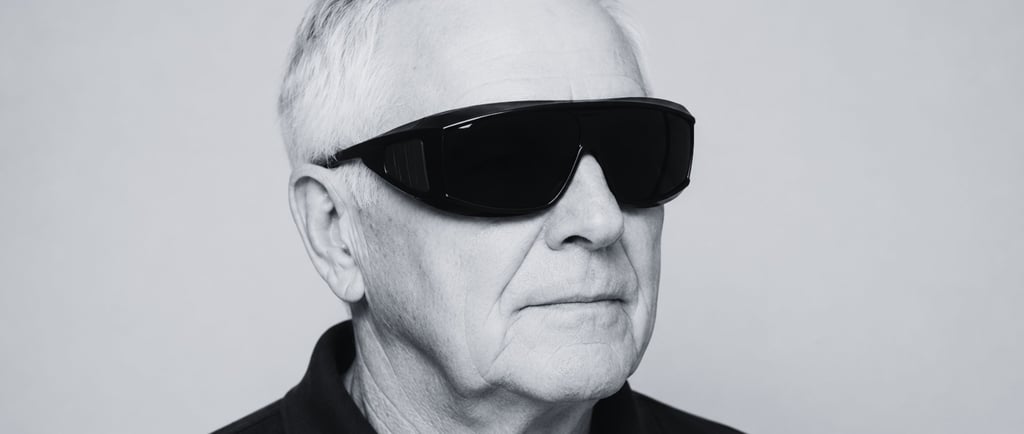
After cataract surgery, many people notice that sunlight, glare, or bright outdoor environments feel more intense than before. Even normal daylight can sometimes feel uncomfortable during the first days or weeks of recovery.
While sunglasses are commonly recommended after surgery, many patients are unsure what actually matters when choosing a pair. Some sunglasses may feel comfortable immediately, while others may feel too dark, too heavy, or ineffective at reducing glare.
This guide covers three of the most important things commonly considered when choosing sunglasses during cataract recovery and beyond.
As always, recommendations can vary between surgeons and individual patients, so always follow the guidance provided by your own eye care professional.
1. Proper UV Protection
One of the most important things to look for is proper UV protection.
Many eye-care organisations recommend sunglasses labelled:
UV400
100% UVA and UVB protection
This helps reduce exposure to ultraviolet light outdoors and is commonly advised both during recovery and for long-term eye health.
Importantly, darker lenses do not automatically provide better protection. The UV rating matters more than lens darkness alone.
2. Lens Tint and Light Comfort
After surgery, many people become more sensitive to brightness and glare outdoors. Different lens tints can affect how comfortable your vision feels in sunlight.
Many people find:
grey lenses feel more natural and neutral
brown or amber lenses can improve contrast
medium tints are often sufficient for everyday use
Very dark lenses are not always better and may sometimes make moving between bright and shaded environments feel less comfortable.
Some people also prefer polarised lenses to help reduce glare from roads, water, or reflective surfaces, although this is generally considered optional rather than essential.
3. Protective Coverage and Fit
The way sunglasses fit can make a noticeable difference during recovery.
Many people prefer sunglasses that:
feel lightweight and comfortable
reduce light entering from the sides
provide some protection from wind or dust outdoors
sit securely during daily activities
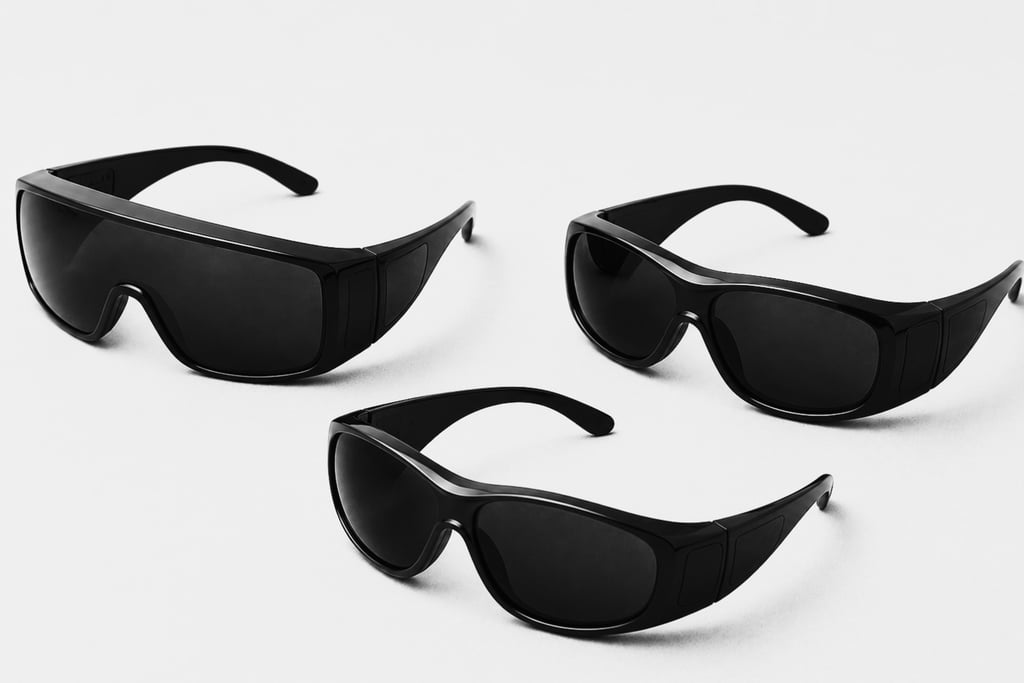
Wraparound or close-fitting frames are commonly chosen because they help reduce peripheral glare and provide more overall eye coverage outdoors.
Practical Takeaway
After cataract surgery, sunglasses are commonly used to help reduce discomfort from brightness, provide UV protection, and help protect sensitive eyes from glare, wind, and outdoor environmental exposure during recovery.
Three of the main things many people consider are:
UV protection
Comfortable lens tint
Protective coverage and fit
You do not necessarily need expensive or specialist sunglasses, but choosing a pair with proper protection and comfortable coverage may help make daily recovery feel easier.
As always, follow the advice provided by your own surgeon or eye care professional, as individual recommendations may vary.
----
If you found this guide helpful, subscribe in the footer below to Opticovery for occasional updates with more recovery tips, practical advice, and trusted insights on protecting your vision and eye health, straight to your inbox.
Note: This content is for general informational purposes only and is not a substitute for professional medical advice. Always follow the guidance of your eye care provider.

Connect
Follow US
SUBSCRIBE TO OUR NEWSLETTER
info@opticovery.com
© Opticovery 2026. All rights reserved.
Disclaimer: This website is for informational and educational purposes only and is not a substitute for professional medical advice. Always follow the guidance provided by your own surgeon or eye care professional. More...
CONTACT US
By subscribing, you agree to receive occasional emails from Opticovery with tips, guides, and updates. You can unsubscribe at any time. Disclaimer | Privacy Policy | Terms of Use