
Common Post-Operative Eye Care Items: What They’re For and How They Support Recovery
A clear guide to the eye care tools and supports often prescribed after surgery — how they help and how to use them correctly.
POST-OP CARE
12/28/20253 min read

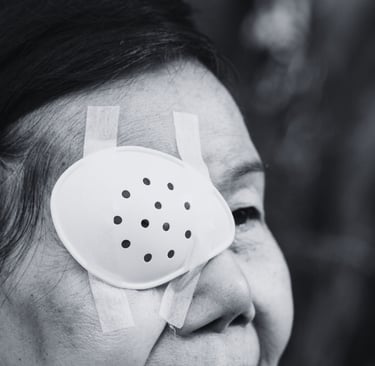
After eye surgery, many people are surprised by how much of the recovery process happens at home. Alongside written instructions, you’re often given or advised to use a range of simple items designed to protect your eyes, support healing, and reduce discomfort.
While specific recommendations vary depending on the type of surgery and your clinician’s guidance, many post-operative care items are commonly used across procedures such as cataract surgery, LASIK, and other corrective or therapeutic eye treatments. Understanding what these items are for can make recovery feel less overwhelming and help you feel more prepared.
Below are some of the most common post-operative eye care items, along with why they’re typically recommended. Specific recommendations vary depending on the type of surgery and individual recovery needs.
1. Eye Drops (Medicated and Lubricating)
Eye drops are one of the most important parts of post-operative eye care. They are usually prescribed to help prevent infection, control inflammation, and keep the eye surface comfortable as it heals.
Guidance from organisations such as the American Academy of Ophthalmology highlights the importance of following the prescribed eye drop schedule to help reduce the risk of complications after surgery. Lubricating drops are often recommended as well, as dryness and irritation are common during recovery.
Using eye drops correctly, including washing your hands beforehand and avoiding contact between the bottle and your eye, helps maintain hygiene and effectiveness.
2. Protective Eye Shields
Eye shields are commonly used during the first few nights after surgery, particularly after cataract procedures. Their main purpose is simple but important: to prevent accidental rubbing or pressure on the eye while you sleep.
Even light contact can irritate healing tissue. Eye shields act as a physical barrier, reducing the risk of disruption during the early recovery phase. Many clinics recommend wearing them at night for several days, depending on individual healing progress.
3. Sunglasses for Light Sensitivity
Light sensitivity is a frequent experience after eye surgery. Sunglasses help protect healing eyes from bright sunlight, wind, and environmental irritants.
Guidance from the American Academy of Ophthalmology highlights that ultraviolet (UV) exposure can contribute to ocular surface irritation, particularly during recovery. Sunglasses with full UV protection, ideally with wraparound coverage, are often advised when outdoors.
Beyond protection, sunglasses can also improve comfort and confidence during the first days or weeks post-surgery.
4. Cold Compresses and Soothing Aids
Some people experience mild swelling, irritation, or a feeling of pressure after surgery. Cold compresses may be recommended to help provide comfort and support reduction of mild swelling. They should only be used if advised by your clinician, and care should be taken to avoid direct contact with the eye unless instructed.
It’s important to follow your clinician’s guidance and avoid placing anything directly on the eye unless advised. Typically, compresses are applied gently around the eye area, using clean materials to reduce infection risk.
5. Hygiene-Supporting Items
Good hygiene is essential during recovery. Simple items such as clean tissues, lint-free cloths, and hand sanitiser can help reduce the risk of infection.
Medical sources such as the UK National Health Service (NHS) emphasise maintaining clean hands, avoiding unnecessary eye contact, and following guidance on water exposure during recovery.
These small habits, supported by the right tools, can make a meaningful difference.
6. Comfort and Environment Support
While not always labelled as “medical items,” certain comfort-focused supports can help recovery feel easier. This may include pillows to support a comfortable sleeping position, eye-friendly lighting at home, or limiting screen glare.
Research into visual ergonomics, including studies referenced by the British Journal of Ophthalmology, suggests that reducing visual strain may support overall eye comfort, particularly when the eyes are already sensitive.
Preparing Makes Recovery Feel Less Daunting
Post-operative eye care often involves time, patience, and supportive habits at home. The right items, used correctly and consistently, can help protect healing eyes and support comfort during recovery.
While your surgeon’s instructions should always guide your care, understanding the purpose behind commonly recommended items can help you feel more confident and prepared as you recover.
----
If you found this guide helpful, subscribe in the footer below to Opticovery for occasional updates with more recovery tips, practical advice, and trusted insights on protecting your vision and eye health, straight to your inbox.
Note: This content is for general informational purposes only and is not a substitute for professional medical advice. Always follow the guidance of your eye care provider.
Connect
Follow US
SUBSCRIBE TO OUR NEWSLETTER
info@opticovery.com
© Opticovery 2026. All rights reserved.
Disclaimer: This website is for informational and educational purposes only and is not a substitute for professional medical advice. Always follow the guidance provided by your own surgeon or eye care professional. More...
CONTACT US
By subscribing, you agree to receive occasional emails from Opticovery with tips, guides, and updates. You can unsubscribe at any time. Disclaimer | Privacy Policy | Terms of Use