
How to Sleep Safely After Cataract Surgery
A practical guide to safe sleeping positions, protective eye shields, and simple precautions during the first week of recovery.
POST-OP CARESLEEP
2/15/20263 min read
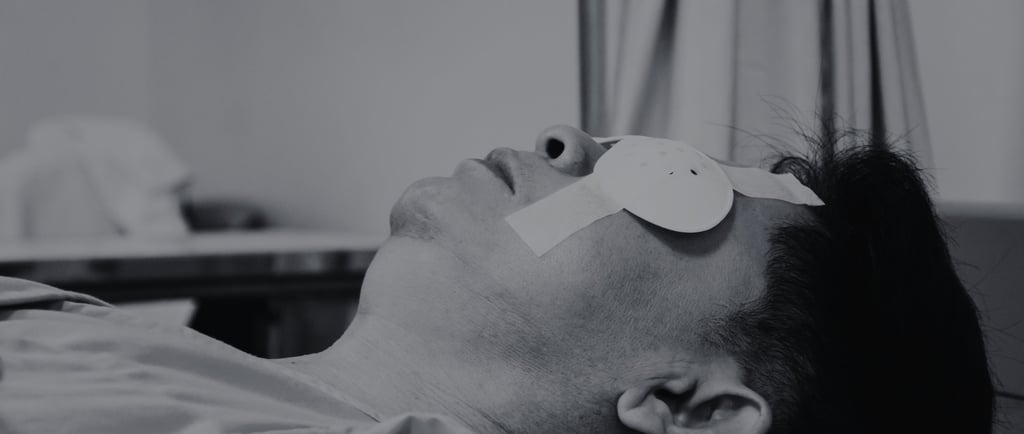

Sleep is one of the most common concerns after cataract surgery. Many people worry about rolling onto the operated eye, damaging the new intraocular lens, or accidentally rubbing the eye while asleep.
In most cases, cataract surgery is stable and secure. However, during the first few days, the eye is still healing and some precautions are recommended to reduce unnecessary pressure, irritation, or contamination.
This guide explains what is typically advised and what you can expect during the first week of recovery.
🎥 Prefer a quick overview? This short video explains how to sleep safely after cataract surgery and what precautions matter most during the first week.
Can You Sleep Normally After Cataract Surgery?
Yes, you can sleep the same night as your procedure, although some surgeons advise immediate rest precautions depending on case.
Surgeons often recommend:
Avoiding direct pressure on the operated eye
Wearing a protective shield at night for a short period
Being mindful of accidental rubbing
The small incision created during surgery is self-sealing, and the intraocular lens is positioned securely inside the eye. In normal circumstances, typical sleep movements are not expected to affect it.
Best Sleeping Positions After Cataract Surgery
During the First Few Nights
It is generally advised to:
Sleep on your back, or
Sleep on the side opposite the operated eye
This reduces the chance of placing pressure directly on the healing eye.
These recommendations may vary depending on your surgeon’s protocol and whether one or both eyes have been operated on.
After the First Week
Most people can gradually return to their usual sleeping position once advised by their surgeon.
If both eyes are operated on separately, follow the guidance provided for each stage of recovery.
Do You Need to Wear an Eye Shield at Night?
Many surgeons recommend wearing a rigid eye shield while sleeping for approximately one week.
The purpose of the shield is to:
Prevent accidental rubbing
Protect against pressure from bedding
Reduce the risk of contamination
It is usually secured with surgical tape and removed in the morning.
Not all surgeons use identical protocols, so follow your specific instructions.
What Happens If You Accidentally Roll Onto Your Eye?
Brief contact or mild pressure during sleep is generally unlikely to cause harm, especially after the initial healing period. However, seek medical advice if you notice:
Sudden decrease in vision
Increasing pain
Persistent redness
New floaters or flashing lights
Occasional light contact is common and rarely problematic.
Is It Normal to Wake Up With Blurry Vision?
Yes. Temporary morning blur can occur due to:
Dryness
Tear film instability
Mild overnight swelling
Vision often clears after blinking or using prescribed drops.
If blur persists or worsens significantly, contact your eye care provider.
Can You Use a Regular Pillow?
Yes. There is no requirement for special pillows. The key concern is avoiding sustained direct pressure on the operated eye in the early days.
Some people find it reassuring to:
Use a supportive pillow
Avoid very soft bedding that collapses around the face
But specialised equipment is not usually necessary.
When Can You Stop Being Careful?
For many uncomplicated cataract surgeries (timing may vary by surgeon and individual recovery):
Protective shield use often stops after about one week
Sleeping position restrictions are commonly eased within several days
Normal habits are usually reintroduced gradually after follow-up confirmation”
Always follow your surgeon’s individual advice, particularly if you have had combined procedures or complications.
Summary
Sleeping after cataract surgery is generally safe and uncomplicated. The main precautions during the first week are:
Avoid direct pressure on the operated eye
Wear the protective shield as instructed
Do not rub the eye
Report sudden changes in vision or pain
----
If you found this guide helpful, subscribe in the footer below to Opticovery for occasional updates with more recovery tips, practical advice, and trusted insights on protecting your vision and eye health, straight to your inbox.
Note: This content is for general informational purposes only and is not a substitute for professional medical advice. Always follow the guidance of your eye care provider.

Connect
Follow US
SUBSCRIBE TO OUR NEWSLETTER
info@opticovery.com
© Opticovery 2026. All rights reserved.
Disclaimer: This website is for informational and educational purposes only and is not a substitute for professional medical advice. Always follow the guidance provided by your own surgeon or eye care professional. More...
CONTACT US
By subscribing, you agree to receive occasional emails from Opticovery with tips, guides, and updates. You can unsubscribe at any time. Disclaimer | Privacy Policy | Terms of Use