
Understanding Eye Drops After Eye Surgery
Understand why eye drops are prescribed after surgery, how different types work, and why correct use matters during recovery.
POST-OP CAREEYE DROPS
1/18/20263 min read

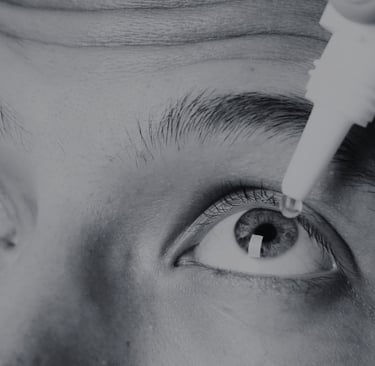
After eye surgery such as cataract removal, the eye’s surface and internal tissues undergo a controlled healing process. Surgeons commonly prescribe several types of eye drops to support this healing and help prevent complications. Each category of drops has a different purpose, and used together they help protect the eye, manage inflammation and discomfort, and support more comfortable recovery.
Types of Eye Drops and Their Roles
1. Antibiotic Eye Drops
Antibiotic drops are typically used in the early postoperative period to help reduce the risk of bacterial infection. Cataract surgery involves opening the eye to remove the clouded lens, and although sterile techniques are used, the eye remains vulnerable to infection while it heals. Applying antibiotic drops as directed — even if the eye feels fine — helps keep potentially harmful bacteria at bay.
2. Anti-Inflammatory Eye Drops
Inflammation is a natural response to surgery. Anti-inflammatory drops, including both non-steroidal anti-inflammatory drugs (NSAIDs) and steroid drops, may help reduce inflammation and swelling within the eye. Some steroid combinations (e.g., corticosteroid plus antibiotic formulations) are specifically approved to manage both inflammation and infection risk after cataract procedures.
NSAIDs may be continued for several weeks, especially in patients with diabetes or increased risk of swelling in the central vision area.
Steroid drops may also be continued for several weeks and are typically tapered down gradually
3. Lubricating (Artificial Tear) Drops
Many people find their eyes feel dry, scratchy, or irritated as they heal. Surgical manipulation can temporarily disrupt the nerves that help control tear production, and lubricating drops can provide moisture and comfort while the eye surface recovers. Some people use these for several weeks or longer if dryness persists.
How Eye Drops Work — Mechanisms Behind Healing Support
Eye drops must overcome several physical barriers to be effective.
Because of this:
Correct technique matters — proper instillation increases the chance that each drop contacts the surface where it’s intended to work.
Waiting at least 5 minutes between different types of drops helps avoid one medication washing away another and allows each to absorb more effectively.
🎥 Watch this short guide on how to use your eye drops correctly after surgery. Proper technique can make a meaningful difference in comfort and recovery, and seeing it demonstrated can help you feel more confident.

Why Using Eye Drops as Prescribed Matters
While we do not have exact figures from large clinical trials showing, say, a precise percentage increase in visual recovery outcomes for people who follow drop schedules versus those who do not, multiple lines of evidence and clinical experience indicate that non-compliance can significantly undermine postoperative healing and increase the risk of complications:
Increased Risk of Infection and Inflammation
Not using antibiotic and anti-inflammatory drops as directed can leave the eye more vulnerable to infection and prolonged inflammation. Untreated infection after surgery can be serious. Inflammation that is not controlled may also contribute to swelling of delicate retinal structures and could delay healing.
Delayed Healing and Discomfort
Without proper anti-inflammatory coverage, people may experience prolonged swelling, increased discomfort, and slower visual recovery. Some forms of swelling such as cystoid macular edema (a swelling of the layer of the retina responsible for central vision) are more likely when inflammation is not adequately controlled.
Technique and Adherence Challenges
Studies of eye drop use in postoperative contexts show that many people struggle with proper instillation and adherence. Studies show that many patients do not perform all steps correctly when using eye drops, with common errors including missing the eye entirely, incorrect washing of hands, or contamination of the dropper tip.
Self-reported surveys also reveal that patients often overestimate how correctly they think they are administering drops; for example, some may believe they are following technique properly when subtle hygiene lapses occur.
These findings suggest that education and technique support can improve confidence and ability to administer drops, and that following the prescribed regimen is a meaningful part of supporting a smooth recovery after surgery.
Tips for Proper Eye Drop Use
Even when the medicine is effective, poor technique can reduce its benefit. Practical tips that help eye drops work better include:
Wash hands before administering to reduce infection risk.
Shake bottles that require shaking (especially suspensions).
Tilt the head back and place one drop into the lower eyelid pocket.
Avoid letting the bottle tip touch the eye or skin.
Wait at least 5 minutes between different drops so one does not wash away another.
If you have difficulty, ask someone to assist or use simple aids like foam pads to help steady the bottle.
Summary
Eye drops after surgery serve three main purposes: protecting against infection, managing inflammation, and maintaining surface comfort. Each type works differently, and used together as directed they help support a smoother healing process. Although evidence on exact recovery metrics is limited, clinical experience suggests that combining prescribed drops can support symptom relief and recovery.
Proper technique and adherence are key, not just taking the drops, but taking them the right way and on schedule, because even small errors in instillation can limit effectiveness and increase the risk of unnecessary complications.
----
If you found this guide helpful, subscribe in the footer below to Opticovery for occasional updates with more recovery tips, practical advice, and trusted insights on protecting your vision and eye health, straight to your inbox.
Note: This content is for general informational purposes only and is not a substitute for professional medical advice. Always follow the guidance of your eye care provider.
Connect
Follow US
SUBSCRIBE TO OUR NEWSLETTER
info@opticovery.com
© Opticovery 2026. All rights reserved.
Disclaimer: This website is for informational and educational purposes only and is not a substitute for professional medical advice. Always follow the guidance provided by your own surgeon or eye care professional. More...
CONTACT US
By subscribing, you agree to receive occasional emails from Opticovery with tips, guides, and updates. You can unsubscribe at any time. Disclaimer | Privacy Policy | Terms of Use